Church Road Barnes shop relocations commercial removals tips
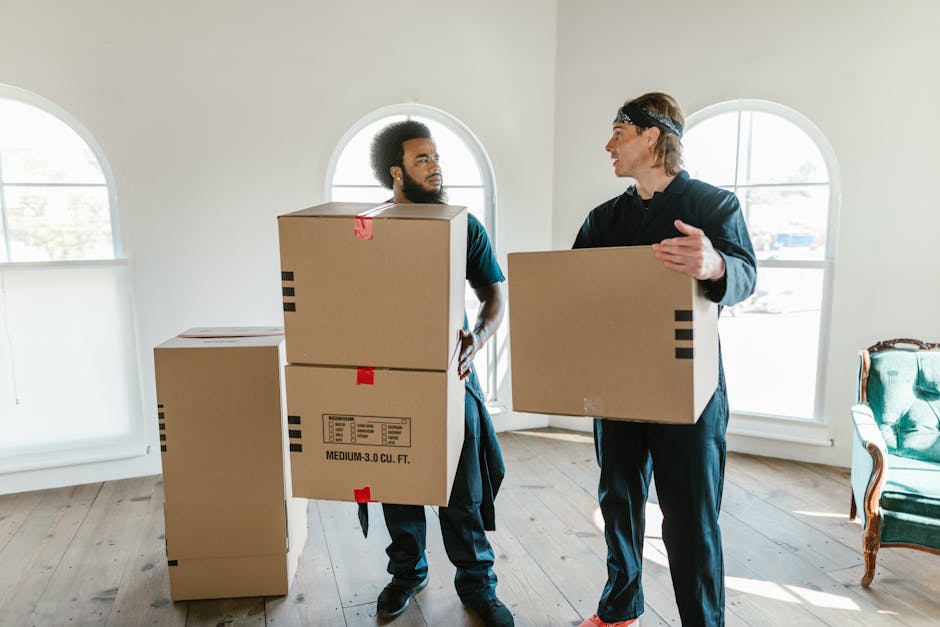
If you are planning a retail move in Barnes, the details matter more than most people expect. A shop relocation on Church Road is not just about lifting boxes into a van. It is about protecting stock, keeping the door closed for as little time as possible, managing access on a busy local street, and making sure customers barely notice the upheaval. That is the real challenge behind Church Road Barnes shop relocations commercial removals tips: how to move cleanly, calmly, and without turning the whole week into a mess.
Whether you are shifting a small boutique, a specialist store, or a service-led premises with fixtures and fittings, the right approach can save time, reduce damage, and make the handover feel far less chaotic. Below, you will find a practical guide shaped around real-world retail removals, local logistics, and the kind of planning that tends to separate a smooth move from a stressful one. Let's get into it.
Why Church Road Barnes shop relocations commercial removals tips Matters
Retail moves are different from household moves. A shop is full of moving parts: tills, display units, shelving, signage, customer records, stock, packaging, and often a few awkward items that never seem to fit anywhere. On Church Road in Barnes, that can be especially important because access, parking, and timing all shape how easy the day feels. If the vehicle is in the wrong place or the handover runs late, the whole move can slip quickly.
The phrase may sound long-winded, but the idea behind Church Road Barnes shop relocations commercial removals tips is simple: plan the move like a business operation, not a casual clear-out. That means thinking about trading hours, inventory control, loading order, delicate items, staff roles, and the opening day at the new premises. One missed detail can lead to a wasted afternoon. Two missed details, and suddenly everyone is standing around wondering who packed the receipt printer. It happens more often than people admit.
Local knowledge matters too. Barnes has a village-like rhythm, but roads can still be busy, parking is never something to assume, and short loading windows can bite if you have not prepared. A well-run commercial removal keeps disruption low and gives you a better chance of reopening on time, with stock intact and stress reduced.
How Church Road Barnes shop relocations commercial removals tips Works
The process usually starts long before moving day. A good retail relocation is part audit, part packing exercise, part logistics plan. You review what is moving, what is being left behind, what needs dismantling, and what must be ready first at the new site. Then you match that to the access available, the size of the load, and the time you have. Simple enough in theory, a bit less simple once you start lifting fitted shelving.
In practice, commercial removals for a shop often follow this flow:
- Survey the premises. Identify stock, fixtures, fragile items, and anything that needs specialist handling.
- Plan the order of move. Decide what leaves first, what is loaded last, and what must be accessible immediately on arrival.
- Pack and label. Use clear labels by department, zone, or priority so unpacking is not guesswork.
- Protect floors and surfaces. Retail fittings scratch more easily than people expect.
- Load logically. Heavy items first, fragile items secured, and urgent stock kept accessible.
- Transport and unload. Move in a sequence that supports quick reassembly and opening.
If you are using a service provider, it helps to choose a team that understands more than just lifting and driving. A wider commercial move can benefit from support linked with commercial moves, office removals, or even office relocation services when your shop includes back-office equipment, admin files, or IT hardware. Not every retail move needs a large vehicle, but many do need careful handling and a sensible timetable.
Truth be told, the difference between a tidy move and a messy one is often how well people label things. There is nothing glamorous about it. Yet when you are trying to find the card reader, the spare keys, and the light fittings at 8:10 the next morning, labels suddenly feel magical.
Key Benefits and Practical Advantages
A well-planned shop relocation does more than move items from one address to another. It protects the commercial side of your business. That is the real win.
- Less downtime. The sooner you can reopen, the sooner trade resumes.
- Lower risk of damage. Good packing and loading reduce breakages and scratched fittings.
- Better stock control. Clear labelling helps you check inventory quickly after the move.
- Smoother staff coordination. Everyone knows what they are doing, which is rare and lovely when it happens.
- Reduced customer confusion. A clean transition helps you stay professional through the change.
- Less last-minute pressure. When the planning is sound, moving day feels far more manageable.
Another practical advantage is flexibility. Smaller businesses on Church Road Barnes often need moves that fit around trading hours, local parking restrictions, and stock rotation. In those situations, a compact vehicle such as a removal van or a broader removal services package may be more suitable than a one-size-fits-all approach. The point is not to book the biggest option. It is to book the right one.
And there is a quieter benefit too: peace of mind. That sounds a bit soft, maybe, but it matters. A move that feels controlled lets you focus on the new premises, the reopening, and the first customers walking in after the dust settles.
Who This Is For and When It Makes Sense
This guidance is for shop owners, managers, landlords, franchise operators, and independent traders who need to relocate a retail unit or customer-facing commercial space. It is also useful for anyone moving a small showroom, specialist retail outlet, beauty or service counter, or mixed-use shop with storage and office areas attached.
It makes sense when you are:
- moving to a nearby premises on Church Road or elsewhere in Barnes
- expanding into a larger unit
- downsizing to reduce overheads
- replacing a lease at short notice
- renovating and needing items stored temporarily
- moving fittings, stock, and customer equipment in a controlled way
If your business has heavier items, display furniture, or unusual equipment, the move may also overlap with furniture handling. In that case, services such as furniture removals or furniture pick up may be relevant. If you are relocating only a few items, a smaller-scale approach can be enough. If you have a back-room full of boxed stock, branded displays, and shelving, it usually pays to be more organised than you think you need to be.
When does it make sense to hire help rather than doing it in-house? Usually when the move includes fragile goods, time pressure, public access issues, or anything that would be painful to replace. So, basically, the moment the stakes feel real.
Step-by-Step Guidance
Below is a practical, no-nonsense route through a typical shop move. It is not fancy. It is effective.
1. Start with a full inventory
List everything that is moving: stock, fixtures, fixtures still attached to walls, tools, packaging, tills, safes, signage, and anything in storage. Separate essentials from non-essentials. If something can be left behind, sold, recycled, or disposed of, decide that early. You do not want to pay to move clutter.
2. Measure access at both premises
Check doorway widths, staircases, lift size if relevant, pavement space, kerb access, and any awkward turns. A van can be suitable and still be useless if the loading point is poor. Small details matter here. A few minutes spent measuring can save an hour of swearing later. Not that anyone swears, of course.
3. Create a moving-day order
Think in reverse order of need. What must be available first when you arrive? Card machines, stock for the front display, cleaning materials, keys, cables, and signage might all need priority. Pack those separately and label them clearly. Keep a "first open" box. It helps more than people expect.
4. Protect fragile and high-value items
Use suitable packing materials, bubble wrap where needed, strong cartons, and internal cushioning. Glass, lighting, monitors, mirrors, and bespoke retail fittings should be treated as fragile even if they look sturdy. Sturdy is not the same as safe.
If packing is becoming a project of its own, services like packing and boxes or packing and unpacking services can take pressure off the team and reduce mistakes. That can be a very good call when staff are already busy keeping the business running.
5. Arrange dismantling and reassembly
Some shop fittings can be removed and rebuilt quickly. Others need tools, patience, and maybe a second cup of tea. Photograph items before dismantling. Keep screws, brackets, and fixings in labelled bags tied to the relevant item. It sounds small. It is not small when you are staring at a box of anonymous bolts.
6. Coordinate transport and timing
Pick a move window that works with your trade cycle. End-of-day moves are common because they reduce customer disruption. Early morning can work too if access is straightforward. Always factor in traffic, parking, and local unloading conditions. For larger loads, you may need a moving truck; for lighter retail contents, a smaller vehicle may be enough.
7. Unload by zone
Do not just stack everything in the new unit and hope for the best. Unload by department, room, or function. Stock should go to stock. Fixtures should go to fitting areas. Admin equipment should go to the back office. The more structure you keep, the faster you settle in.
8. Rebuild, check, and test
Once things are in place, test power points, lights, card machines, Wi-Fi, till systems, and anything customer-facing. Then run a quick stock check. The goal is not perfection on the first hour. It is readiness. Good enough, safely arranged, and open for business.
Expert Tips for Better Results
Here are the little things that make a big difference. These are the kinds of details that experienced movers and shop managers tend to learn the hard way.
- Use colour coding. It is faster than reading long labels when everyone is tired.
- Move the cash-handling items separately. Tills, keys, and important documents should never disappear into a random box.
- Keep one person in charge. A move with too many decision-makers becomes a committee, and committees are not efficient.
- Leave aisle space in the van. You may need to access something at the far end before unloading everything.
- Pack for the new layout. If you already know where items will sit, unpacking is much quicker.
- Take photos of both premises. This helps with insurance, handover records, and remembering what was where.
One practical tip that often gets missed: build a buffer. A 20-minute delay can turn into an hour if there is no parking or the weather turns. Barnes in the late afternoon can feel calm, then all of a sudden buses, deliveries, and pedestrians make the street feel tighter than you expected. A little buffer keeps everyone steadier.
If you want a more structured, business-friendly approach, a provider that also offers man with van support or broader removals options can be useful for scaling the service to your load. It is not about overbuying. It is about matching the move to the reality of the day.
Common Mistakes to Avoid
Even sensible businesses make predictable mistakes during retail moves. The good news? They are avoidable once you know them.
- Leaving packing too late. The final day then becomes pure panic.
- Mixing stock with fixtures. It saves time now and costs time later.
- Ignoring access restrictions. If you cannot unload safely, the schedule collapses.
- Underestimating breakable items. A shop can look durable and still contain plenty of fragile kit.
- Failing to label by priority. People spend ages searching for the most basic items.
- Not checking the new layout first. You end up moving things twice. Nobody likes that.
A very common one is assuming the move will be "quick enough" because the premises are close together. Proximity helps, sure, but it does not solve packing, access, loading, reassembly, or staff coordination. Short distance, long list. That is usually the reality.
Another mistake is treating commercial removals like home removals. They are not the same. If you need support for business operations, that commercial mindset is better served by a service built for removal companies and business moves rather than a casual lift-and-go arrangement.
Tools, Resources and Recommendations
You do not need specialist software to manage a shop move, but a few simple tools make life much easier.
- Inventory sheet. Even a spreadsheet or printed list can keep track of categories, quantities, and locations.
- Label printer or strong marker pens. Clear labels beat vague handwriting every time.
- Colour tape or stickers. Use one colour per zone or room.
- Photo log. Handy for unpacking, insurance notes, and fitting reference.
- Tool kit. Screwdrivers, tape, cutters, gloves, zip bags, and a torch are all worth having nearby.
For storage between premises or during a phased move, a secure storage option can reduce pressure, especially if the new site is not ready yet. That can be a sensible bridge when you are waiting on fit-out work, signage, or final lease access. If your stock or furniture needs to be held temporarily, it is better to plan for that rather than improvise.
You may also want to think about sustainability. Moving is an ideal moment to clear out broken shelving, duplicate displays, and packaging waste. Responsible disposal, resale, or reuse can reduce clutter and help the business restart with a cleaner footprint. Small thing, but it feels good.
Law, Compliance, Standards and Best Practice
Any commercial move should be handled with sensible care around safety, insurance, and duty of care. In the UK, businesses generally need to think about workplace health and safety, safe manual handling, suitable equipment, and clear communication with staff. You do not need to turn the move into a legal seminar, but you do need to be methodical.
Best practice usually includes:
- ensuring walkways are kept clear during loading and unloading
- using suitable lifting methods for heavy or awkward items
- checking that any vehicle used is appropriate for the load
- protecting staff, customers, and passers-by during the move
- confirming insurance cover for transit and handling where relevant
If you are hiring help, it is sensible to review the provider's own insurance and safety information, along with their health and safety policy. You should also be comfortable with the practical details set out in their terms and conditions and the way payments are handled through payment and security.
This is not about being awkward. It is about protecting your business, your stock, and the people doing the lifting. A careful move is usually a safer move, and that is just common sense really.
Options, Methods and Comparison Table
There is more than one way to manage a retail relocation. The right method depends on how much you are moving, how fast you need to move, and how complicated the goods are.
| Method | Best for | Pros | Watch-outs |
|---|---|---|---|
| Small van move | Light shop contents, quick local transfers | Flexible, easier to park, often cost-effective | May require multiple runs if stock is larger than expected |
| Dedicated commercial removals | Retail units with fixtures, stock, and equipment | Better planning, better handling, smoother coordination | May need more lead time |
| Phased move with storage | Fit-outs, delayed access, or staggered reopening | Reduces pressure on reopening day | Requires extra organisation and temporary storage planning |
| Self-managed move | Very small loads and experienced teams | Maximum control over timing | Higher risk of fatigue, damage, and schedule creep |
For many local businesses, the best option sits between extremes. A compact vehicle and a well-run plan can be enough for some moves. Larger or more delicate relocations may be better suited to a managed service such as man with a van or more structured commercial moves. The decision usually comes down to stock volume, time pressure, and how much risk you want to carry yourself.
Case Study or Real-World Example
Picture a small independent shop on Church Road Barnes moving a short distance to a new unit. The business has shelving, boxed stock, a till system, a countertop display, and a few fragile decorative items that help define the brand. Nothing huge, but enough to make a rushed move uncomfortable.
The team starts a week ahead. They separate sale stock from display stock, pack the back office in labelled boxes, and photograph every shelf before dismantling. They reserve the final hour of trading for clearing the counter area and securing the small valuables. On move day, the van arrives with a clear loading order: shelving first, boxed stock next, then the fragile items last so they can be unloaded first at the new site.
At the new shop, items are grouped by zone. The counter area is assembled before the stock room, because opening the shop matters more than perfect storage order. By late afternoon, the business is not fully decorated, not by a long shot, but it is functional. The card machine works, the key displays are up, and customers can walk in the next morning without seeing a half-finished disaster.
That is what a good move looks like in real life. Not glamorous. Just steady, practical, and a lot less stressful than the horror stories.
Practical Checklist
Use this checklist before the move, during the move, and once you are in the new premises.
- Complete a full inventory of stock, fixtures, and equipment
- Label boxes by zone, priority, and contents
- Photograph fittings, shelves, and sensitive equipment before dismantling
- Confirm access, loading space, and parking arrangements at both addresses
- Separate cash-handling items, keys, and important documents
- Pack a first-opening box with essentials for trade
- Protect fragile items with suitable wrapping and cushioning
- Make sure staff know who is responsible for each task
- Check insurance, safety procedures, and booking details
- Test utilities, lights, tills, and connectivity at the new site
- Dispose of unwanted items responsibly
- Do a final walkthrough of both premises before handing over
If you can tick most of those off, you are already ahead of the game. Honestly, that is half the battle.
Get a free quote today and see how much you can save.
Conclusion
Church Road Barnes shop relocations commercial removals tips are ultimately about control. Control over timing, loading, stock handling, and the way your business comes back to life in a new space. The best moves are rarely the flashiest. They are the ones where someone thought ahead, labelled properly, and refused to leave everything until the last minute.
If you plan carefully, use the right support, and keep the move organised from the first box to the final sign fix, you will give your business a far better start in its new home. And after all that noise and tape and cardboard, there is something genuinely satisfying about unlocking the door and seeing everything where it should be. A fresh start, really.
When you are ready, take the next step with a calm plan, a realistic schedule, and a bit of patience. The rest has a way of falling into place.
Frequently Asked Questions
What is the best way to plan a shop relocation on Church Road Barnes?
Start with an inventory, measure access at both premises, decide what is moving first, and set a clear opening-day plan. The more structure you build early, the less stress you will feel later.
How far in advance should I book commercial removals?
As early as you can, especially if your move needs a specific time window or involves fragile stock and fittings. Short local moves can still need proper planning, so leaving it late is risky.
Do I need special packing for retail stock and displays?
Usually, yes. Stock should be grouped and labelled clearly, while fragile displays, mirrors, and lighting need extra protection. If in doubt, treat items as more delicate than they look.
Can a small van handle a shop move?
Sometimes it can, especially for smaller retail units or phased relocations. But if you have lots of stock or bulky fittings, a larger vehicle or a more structured moving service may be the better fit.
How do I reduce downtime during a shop relocation?
Pack in categories, prioritise the essentials, unload by zone, and make sure your first-opening items are easy to reach. A well-planned sequence is usually the biggest downtime saver.
What should go in the first-opening box?
Think card machines, keys, chargers, tape, a cutter, cleaning materials, basic paperwork, and anything needed to serve customers immediately. It sounds obvious, but this box is often the hero of the day.
Is storage useful during a retail move?
Yes, especially if the new unit is not ready, the fit-out is delayed, or you are moving in phases. Temporary storage can take pressure off the timeline and keep the move more manageable.
How do I protect fixtures and shelving during dismantling?
Take photos before dismantling, keep fixings in labelled bags, and wrap surfaces carefully. A bit of organisation here saves a lot of head-scratching during reassembly.
What safety issues matter most in a commercial move?
Manual handling, clear walkways, safe lifting, proper packing, and suitable vehicle loading all matter. It is also wise to check the mover's safety and insurance information before booking.
Are commercial removals different from house removals?
Yes. Retail and business moves often involve stock control, customer-facing equipment, tighter timelines, and more responsibility around reopening. That is why a business-focused approach is usually better.
How can I tell if my move is too complex for a DIY approach?
If you have fragile items, a lot of stock, limited access, or a strict reopening deadline, it is probably worth getting help. DIY can work for very small moves, but commercial pressure changes the equation quickly.
What is the most common mistake shops make when relocating?
Leaving packing and labelling too late. It creates confusion at the new premises, slows reopening, and makes simple tasks take far longer than they should.